_0.png)
Why Burn Off and Blasting Matter
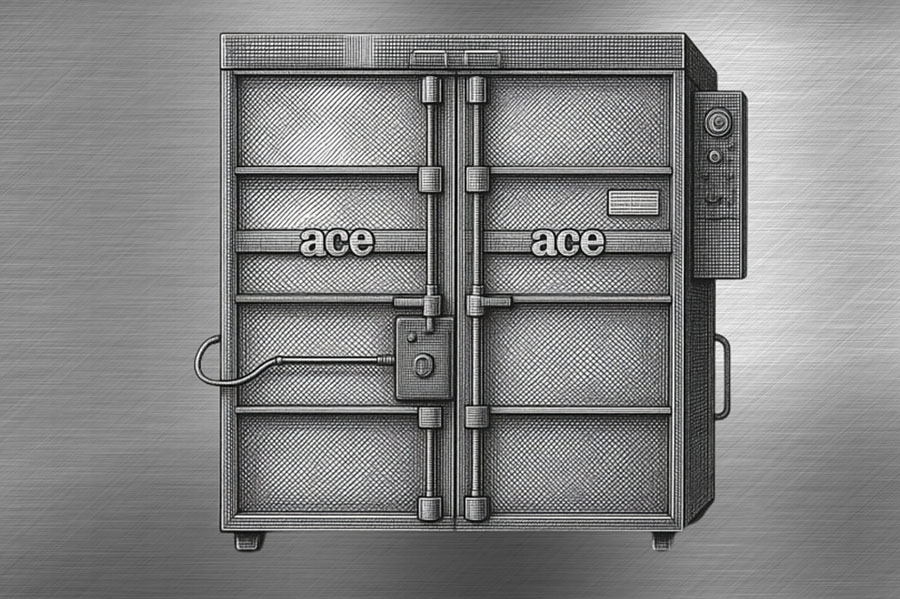
When you think of high-performance metal finishing, top-tier e-coating, durable powder coats, and precision liquid paints are usually the first processes that come to mind. However, achieving a flawless finish that withstands harsh environmental conditions relies heavily on what happens before and behind the scenes of the coating line.
At SHURPAC, two of our most critical support processes are our Burn Off and Blasting services. Though they often operate out of the spotlight, these thermal and mechanical cleaning operations are essential for maintaining peak coating efficiency, ensuring proper electrical grounding, and delivering consistent quality for our clients.
What is the Burn Off Process?
The burn-off process—also known as thermal stripping or controlled pyrolysis—uses high temperatures to safely remove baked-on organic coatings, powder overspray, epoxies, and paints from metal components without damaging the underlying substrate.
Instead of relying on harsh, hazardous chemical solvents or labor-intensive manual scraping, a burn-off oven heats parts to temperatures typically between 700°F and 800°F in an oxygen-controlled chamber. This extreme heat thermally decomposes the organic compounds, converting thick, baked-on paint and powder into a fine, harmless ash. To protect the environment, the resulting vapors are passed through a high-temperature afterburner operating at 1,400°F to 1,900°F, incinerating volatile organic compounds (VOCs) and emitting only harmless water vapor and carbon dioxide into the air.
Why Burn Off Ovens are Essential to Metal Coating
While burn-off ovens can be used to strip rejected or old parts for recoating, their primary mission in a high-volume coating facility like SHURPAC is maintaining the hooks, racks, and fixtures that carry parts through the coating lines.
1. Ensuring Proper Electrical Grounding
Processes like electrocoating (e-coating) and electrostatic powder coating depend entirely on a clean electrical ground. In powder coating, for example, the powder particles are given a negative charge, while the part on the rack is positively grounded. This attraction draws the powder evenly across the metal.
As racks make repeated passes through the coating line, overspray accumulates on the holding hooks. Left unchecked, this buildup creates an insulating barrier that disrupts the electrical connection. Loss of ground leads to:
- Poor transfer efficiency and wasted coating material.
- Uneven film thickness and weak coverage in recessed areas.
- Potential electrical arcing, which creates safety hazards in powder booths.
Regularly processing racks through our advanced burn-off oven strips away insulating overspray, restoring direct metal-to-metal contact and guaranteeing maximum transfer efficiency.
2. Eliminating Cross-Contamination and Flaking
As coating buildup on racks grows thicker, it becomes brittle under repeated heating cycles. Specks of old, cured paint can flake off during production and settle onto fresh, uncured parts, causing severe surface defects. Routine thermal cleaning ensures racks remain pristine, protecting your parts from debris contamination.
3. A Valuable Service for In-House Painters
Our advanced, large-capacity burn-off oven processes a substantial volume of steel per cycle. Because managing thermal stripping equipment requires specialized permitting, safety monitoring, and emissions controls, many manufacturers who run smaller in-house painting lines rely on SHURPAC as a supplementary service partner to regularly clean and maintain their tooling and racks.
Completing the Surface Prep: Industrial Bead Blasting
Once components or fixtures leave the burn-off oven, any residual inorganic ash must be removed. This is where mechanical surface preparation takes over.
SHURPAC operates two industrial-sized bead blast cabinets to complete the surface preparation cycle:
- Post-Burn Clean Up: Blasting quickly sweeps away residual ash, leaving tooling or metal parts completely bare and ready for service.
- Pre-Coating Prep: For incoming raw metal parts, bead blasting removes stubborn laser scale, light oxidation, and minor weld imperfections.
- Optimized Adhesion: Blasting creates an ideal anchor pattern on the metal surface, dramatically improving the adhesion strength of liquid primers, powder coats, and military-spec finishes.
Custom Racking Engineering & Total Quality Control
At SHURPAC, burn-off and blasting aren't just isolated tasks; they are fully integrated into our in-house engineering capabilities.
We design, fabricate, and maintain custom racking systems engineered specifically to optimize parts density and transfer efficiency. Because we maintain our own racking in-house with our burn-off oven and blast equipment, we control every variable of the coating cycle from start to finish. This integrated approach drives down overall production costs, shortens lead times, and ensures your metal parts receive a durable, uniform finish every time.
Whether you need a reliable partner to strip and clean your in-house manufacturing fixtures or you want the peace of mind that comes with ISO 9001:2015 certified coating quality, SHURPAC’s complete suite of additional services has you covered.
Interested in learning more about our burn-off, blasting, or custom racking capabilities? Contact the SHURPAC team today or call us at (262) 633-2808 to discuss your project requirements.
